how a round rock gate ages through the seasons
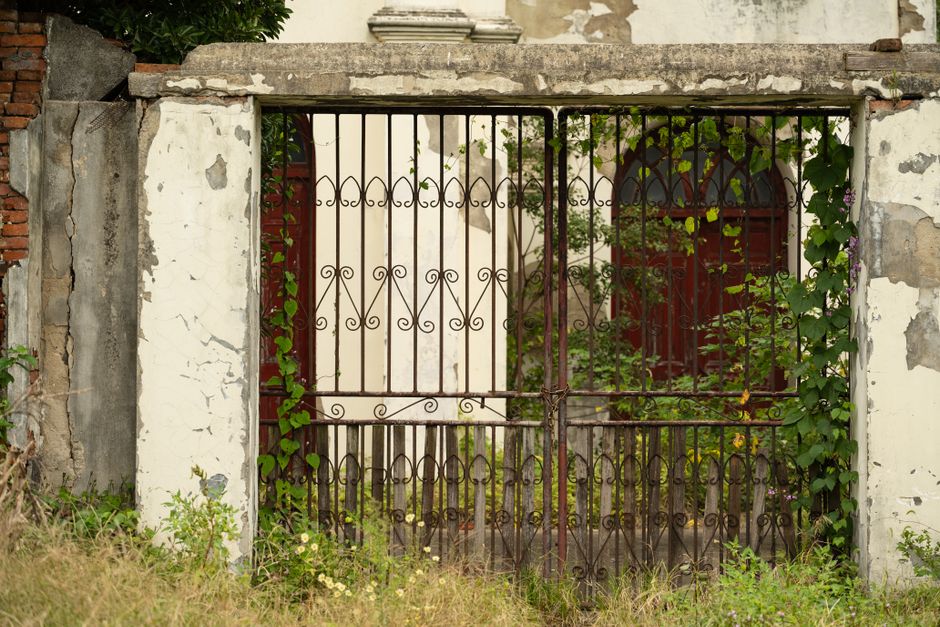
What does a Round Rock year do to a metal gate?

A Round Rock year runs a gate through four different kinds of stress, and each one leaves its own mark. Spring brings wet clay and storms, summer brings heat that pushes metal to its limit, fall brings dry cracked ground and wind, and winter brings the occasional hard freeze. A gate that was fitted well absorbs all of it without complaint, and a gate that was fitted badly shows the weak points within two years. Knowing what each season does makes it easy to spot the first sign of trouble.
Round Rock sits in Williamson County on the edge of the blackland clay, and the soil is the quiet driver behind most gate problems. Water enters the ground in spring and leaves it in summer, and every post in that ground moves a little with it. The metal itself, whether steel or aluminum, mostly reacts to heat, moisture and the fit of its hardware.
How does spring treat a gate?
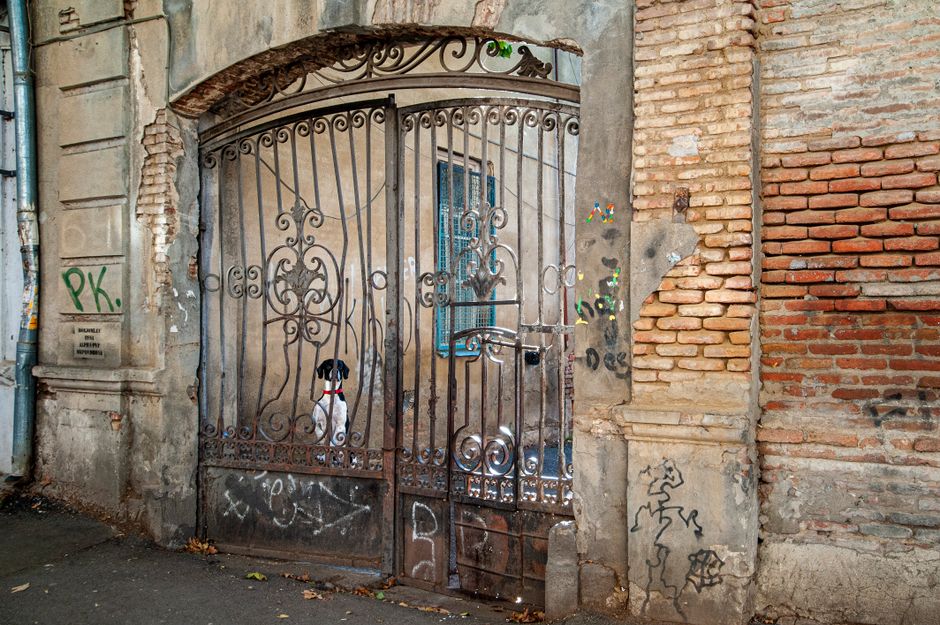
Spring is the wettest stretch, and it tests the coating and the footings first. Storms soak the clay around each post, the ground swells, and the posts can shift upward or lean slightly. Standing water collects at the bottom rail and around hinge barrels, which is where rust begins on a chipped frame.
A spring walk around the gate takes ten minutes and catches most problems. Look at the bottom of every post for a gap between the concrete and the soil. Run a hand along the bottom rail and the weld seams, looking for bubbles in the finish. Swing the gate through its full arc and watch the latch end, since a leaf that drags in April usually points to a post that moved over winter.
Gates near Brushy Creek and in low yards by Forest Creek stay wet longer than gates on higher ground, so they deserve a second look after the heaviest storms. Drain holes in the bottom of hollow rails should be clear, because a plugged hole turns a rail into a small water tank.
What does summer heat change?
Summer heat makes metal grow, and the gate has to have room for it. Steel expands a little over the length of a twelve foot leaf, and aluminum moves about twice as much. A latch gap that looked wide in February can close completely by August, which is why a gate that binds only in the afternoon is almost always a thermal fit problem and not a broken part.
Dark finishes absorb the most heat. A black powder coat in direct afternoon sun can get too hot to hold, and the surface expands and contracts with the daily cycle. A quality coating handles that for years, but a thin or poorly cured coat can chalk, fade or crack at the edges, which is the start of a rust path on steel.
Summer is also when clay shrinks and pulls away from posts. A gate that was square in spring may hang slightly out of square by late August, and a gap that opens at the top of the latch post is the usual sign. Hinges with adjustment let a fabricator pull the leaf back to square in a short visit.
Does fall help or hurt?
Fall is the dry, windy stretch, and it is usually the easiest season for a gate. The ground has dried and cracked, the posts have stopped moving, and the air carries dust that works into hinges and tracks. A sliding or cantilever gate picks up grit on the track, and a rolling carriage that sounded smooth in June may grind in October.
Fall is the right time for maintenance. Clear the track with a stiff brush, oil the hinge barrels and check every bolt for tightness. Touch up any chip in the finish with a zinc rich primer and a matching topcoat before the next wet season. A small repair in October keeps rust from spreading under the coating over winter.
Wind is the other fall factor. A solid panel or a leaf with tight pickets catches wind like a sail, and a latch that depends on gravity can fail in a gust. A spring loaded latch or a drop rod holds a gate shut when the wind picks up, and a wind stop post keeps the leaf from slamming into the fence.
What can winter do?
Winter in Round Rock is mild most years, but a hard freeze arrives often enough to matter. Water trapped inside hollow tubing freezes and expands, and a seam that was already weak can split. This is another reason drain holes and sealed top caps matter on every rail and post.
Cold also stiffens grease and slows operators. An electric gate that opens smoothly in October may move slowly on a freezing morning, and a battery backup loses capacity in the cold. A gate on a slide track can freeze to the rail after an ice event, so the first step is to clear the track gently and never force the carriage.
After a freeze, look at the welds and the bottom of the posts. A hairline crack at a weld, or a line of orange rust that was not there in fall, gets attention before spring storms arrive.
Which parts wear out first?
Hinges, latches and the bottom of the frame wear before anything else. Hinge barrels carry the full weight of the leaf every time the gate opens, and a gate that opens a few times a day swings thousands of times a year. A sealed bearing lasts far longer than a plain barrel, but even the best hinge needs an adjustment now and then.
Latches wear at the catch plate, where the leaf meets the post. A latch that has to be lifted or pushed to close usually reflects a small drop in the leaf. Raising the leaf at the hinge brings the latch back into line without touching the latch at all.
The bottom rail takes splash, sprinkler spray and lawn clippings. It is the first place rust shows, and a raised bottom rail with a clear drain hole lasts much longer than a rail set an inch from the ground.
How often should a gate be checked?
Two checks a year cover most gates, one in spring before the heavy storms and one in fall before winter. Each takes about fifteen minutes with a flashlight, a level and a little oil. A gate that is checked twice a year rarely needs more than a touch up, while a gate that is never checked can go from a small chip to a failed hinge in a few seasons.
A short checklist keeps it simple. Look at the posts for lean, swing the gate through its arc, check the latch gap, oil the moving parts, clear the track, and touch up any chip. That is the whole job, and it repays itself every year.
What about Pflugerville and the rest of the area?
The pattern holds across the region. Pflugerville, Round Rock and the rest of Williamson County share the same clay, the same summer heat and the same spring storms, so a gate built for Round Rock conditions fits the neighboring towns too. The difference is usually in the lot, not the city, and a sloped or damp yard changes the checklist more than a map line does.
Gates near busy roads such as Interstate 35 collect more dust and exhaust film, and a quick rinse with a hose a few times a year keeps the finish clean. Gates near parks and creeks collect leaves and moisture, and clearing the base keeps the bottom rail dry.
Does the metal choice change the calendar?
Steel and aluminum age differently, and the checklist shifts a little with each. Steel asks for more attention to the finish, because a chip is the start of rust. Aluminum asks for more attention to the fit, because it moves more with heat and flexes more under load. A galvanized steel frame under a powder coat splits the difference and tolerates a missed check better than bare painted steel.
Wrought iron style work, whether it is real iron or steel shaped to look like it, has more joints and more places for water to sit. Scrollwork and decorative collars catch dust and moisture, so a yearly look with a brush and a touch up pen keeps them sharp.